Hilma Kf Klint’s Symbols and Shapes in Her Art
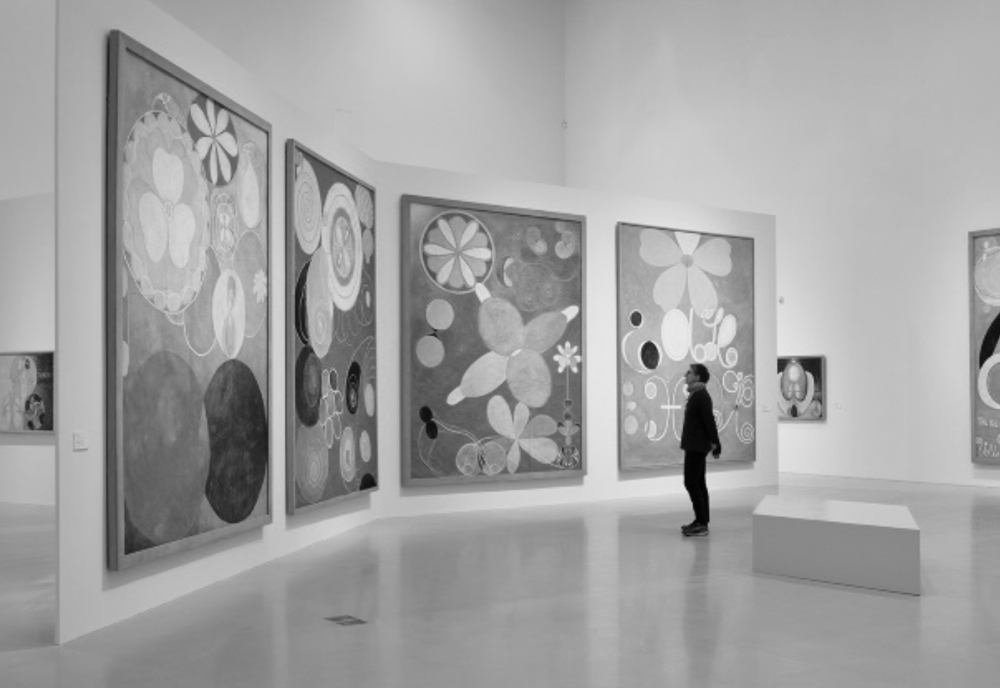
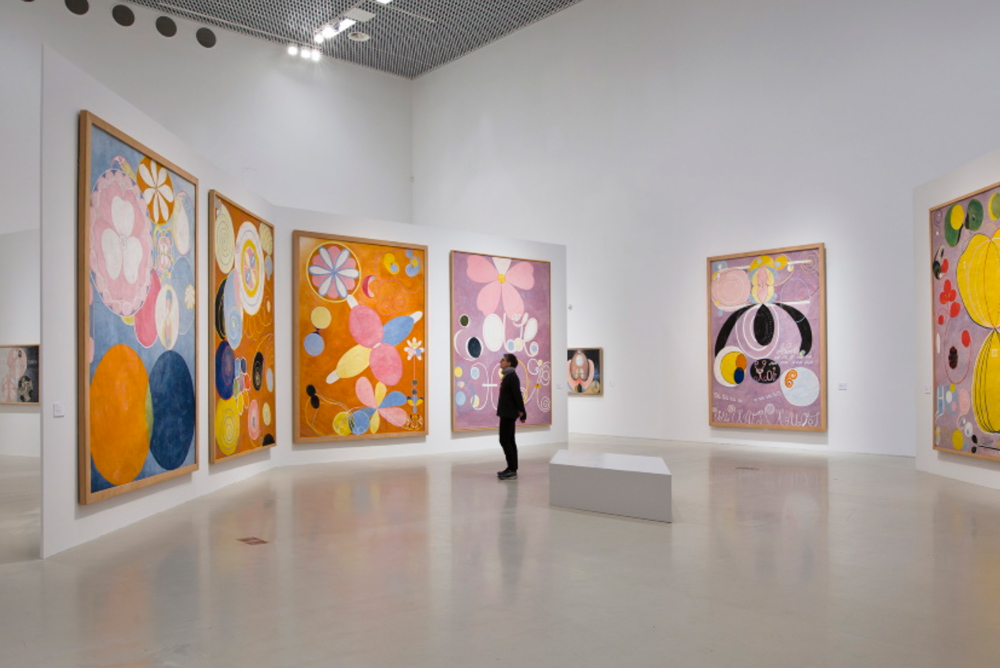
Hilma Af Klint’s art is known for its use of symbols and geometric shapes, which are very important and interesting. She used these to express personal, spiritual, and universal ideas. These symbols helped her share deep thoughts about the unseen world, ideas she believed could only be shown through this kind of visual language.
1. Symbols as Personal and Spiritual Expression
Af Klint was influenced by her personal spiritual experiences, especially through her connection with a group called The Five (De Fem). This group of women practiced spiritualism and held séances to communicate with spirits. Af Klint believed that the symbols in her art came directly from these spirit encounters.
While these symbols were personal, they also carried universal meanings. They spoke about the cycle of life, spiritual growth, and cosmic forces. For her, these symbols weren’t just about her experiences—they were meant to share a greater understanding of the universe.
Key Symbols in Af Klint’s Art:
- Spirals: Spirals often represent growth, change, and spiritual journey. They show a process of transformation, either outward (toward enlightenment) or inward (toward the self).
- Flowers and Plants: Flowers like lotus flowers or roses represent spiritual growth and the opening of inner knowledge. They often show the process of spiritual awakening or hidden truths coming to light.
- Triangles and Circles: Triangles and circles are geometric symbols that represent cosmic order. The circle, in particular, stands for unity, wholeness, and the infinite, which were important in af Klint’s beliefs. The triangle might also represent the connection between the mind, body, and spirit.
2. Geometric Shapes as Universal Language
While af Klint’s symbols were personal, the geometric shapes in her art were meant to express bigger, universal truths—ideas that went beyond individual experience and spoke to a greater cosmic order.
Af Klint believed that geometry and math could help explain the universe’s structure. This belief came from theosophy, a spiritual movement that emphasized universal harmony. She thought that using certain shapes could connect her art to these deeper truths about reality.
Notable Geometric Shapes in Her Art:
- Concentric Circles: These circles are some of af Klint’s most striking designs. They can represent the energy of the universe, moving outward from a central point. They might also symbolize the infinite or the spiritual center of everything.
- Rectangles and Squares: These shapes represent structure, stability, and order. They might contrast with the more flowing, spiritual shapes like circles or spirals, symbolizing the material world.
3. Personal and Universal Combined
One of af Klint’s greatest achievements was combining personal symbols with universal shapes. Her art connects with viewers on a deep, almost intuitive level. The personal symbols reflect her own spiritual journey, while the geometric shapes point to universal ideas that go beyond time and space.
Her paintings aren’t just about her thoughts and feelings—they are about something bigger, something everyone can relate to. By mixing personal experiences with universal symbols, af Klint bridged the gap between the known world and the unknown, the material and the spiritual.
4. The Unseen World: A Spiritual Map
Af Klint used symbols and geometric shapes to show the unseen world—a higher realm beyond the physical. Her art acts like a map of invisible dimensions, where energy and cosmic forces move through everything.
In this way, her art is an attempt to capture spiritual ideas that are hard to explain with words. The symbols are like a new language that connects us to higher, invisible realities.
5. Af Klint’s Artistic Process: A Channel for the Divine
Af Klint saw herself not just as a creator, but as a channel for spiritual forces. She believed that her paintings were guided by higher powers, not just by her own thoughts. In some of her works, she described her process as if the art was unfolding by a plan she didn’t control.
Her paintings were more than personal expression; they were a way to reveal hidden spiritual truths about the universe. She used symbols and geometry to show these unseen ideas.
6. Color and Symbolism
Color played an important role in af Klint’s art. The colors she chose helped express different spiritual or emotional states. For example, blue might represent the spiritual world, yellow could symbolize divine wisdom, and red might show earthly energy.
The colors worked together with the geometric shapes and symbols to create deeper meanings, adding layers of spiritual or cosmic significance.
Conclusion
In short, Hilma af Klint’s use of symbols and geometric shapes allowed her to share both her personal spiritual experiences and universal truths. These forms helped her explore the unseen world, offering insights into higher consciousness and the mysteries of the universe.
Her art combined personal symbols with universal geometry, creating a new visual language. This language invited viewers to explore spiritual discovery and cosmic understanding, blending the personal with the universal and making her work both powerful and timeless.
Source. Modernamuseet Malmoe